We Let Two AIs Compete to Build a Website. The Winner Will Change How You Work.
The time of the uniform, one-size-fits-all web property is officially over. As we move through 2025 and 2026, the dominant "AI vibe" in cyber crafting is a model of profound individualization. The motivation of the AI website generator is Artificial Intelligence, performing as a lead crafter for every individual user who browses a platform. This is not only about inserting a user's name into a welcome; it's about drastically rebuilding the content, operations, and appearance of a digital property in real-time to forge a unique engagement for an audience of one. This transformation is democratizing top-tier online construction and reimagining what it implies for a digital presence to be authentically "user-centric."

Development for the User: The Generative Backend
The allure of deep customization for the AI website coding originates low in the platform's framework. Builders in 2025 are no longer making set paths but are instead producing malleable environments where AI operates as a main hub, building individual engagements on the fly. This demands a move away from fixed programming and toward a more malleable, generative model of production.
Rule-based Course Charting and Reasoning
The most significant shift for the AI website building is in how a user navigates a site. Rather of following a predetermined map, each user's journey is systematically built founded on their personal record and current conduct.
- Anticipatory Navigation: AI assesses a visitor's landing page, former acquisitions, and browsing habits to project their aim and adaptively rearranges navbars and invitations to provide the most frictionless path to transaction.
- Dynamic Capability Activation: An AI can deduce a client's expertise and modify settings accordingly. For a advanced visitor, it might display sophisticated query options, while for a beginner, it might feature a basic, walkthrough shopping flow.
- Adaptive Information Sections: The actual information of a document is no longer set. An AI can compile product descriptions, updates, and even legal disclaimers from a repository of parts, customizing the tone, span, and terminology to connect with that individual client.
The Dynamic Frontend: Aesthetics That Adjusts and Pre-empts
The user interface is where this individualized infrastructure comes to actuality. The "AI vibe" in layout is about forging a aware surface—an surface that doesn't just react to selections but dynamically modifies to the visitor's situation, demands, and even unspoken intent. This denotes the development from fluid grid to fully forecasting design.
Environment-Sensitive and Malleable Interfaces
A website's appearance and arrangement are no longer static blueprints. They are dynamic creations that reshape themselves contingent on a profound knowledge of the client's context.
- Environmental Adaptation: The UI can transform dramatically based on the situation. For a customer using on a portable gadget on a clear weather, the website might autonomously toggle to a sharp, bright-light layout. For someone looking late at midnight, it might take on a darkened interface with mellower, less vibrant pigments.
- Conduct-Responsive Designs: The AI observes how a client works with the display. If a individual consistently ignores a navigation panel, the AI might minimize it on their return trip and expand the core display space, tuning the layout based on understood actions.
- Automatic Usability Customization: AI can build a authentically inclusive web by autonomously adapting the experience. It can recognize if a user is leveraging a reading assistant and serve a iteration of the site streamlined for hearing, or amplify character scaling and interactive regions for clients who display symptoms of coordination issues.
The Grand Leveler: Leveling Premium Site Production
Perhaps the most significant feature of the AI vibe in 2026 is its position as a universalizing agent. The advanced, metric-informed individualization that was previously the private realm of big tech firms with huge development squads is now obtainable to small businesses, designers, and solo makers. Sophisticated AI-driven systems can now utilize a basic company summary and a project summary and produce a completely operational, visually stunning, and deeply personalized site, addressing the entire scope from the markup to the layout. This permits human creators to hone in on their goal and their audience, while the AI handles the sophisticated technological deployment, equalizing the virtual landscape for everyone.
The Intelligence Overlay: A Listing of Utilities for the AI-driven Cyber
The "AI Vibe" of 2025-2026 is best grasped as the utilization of an "intelligence layer" over the whole digital building process. This level, powered by a modern generation of advanced resources, anticipates necessities, mechanizes difficult jobs, and delivers imaginative alternatives that were hitherto unheard-of. It is metamorphosing website creation from a series of manual, skill-based steps into a more adaptable, communicative, and calculated activity. This registry features the essential systems that make up this innovative smart layer.
These environments are the most thorough articulation of the reasoning tier, handling every tier of the site production process from the archive to the UI. They are actual "full-stack" systems, requiring only a solitary, strategic input to create a full and deployable digital output.
Mobirise AI Website Builder
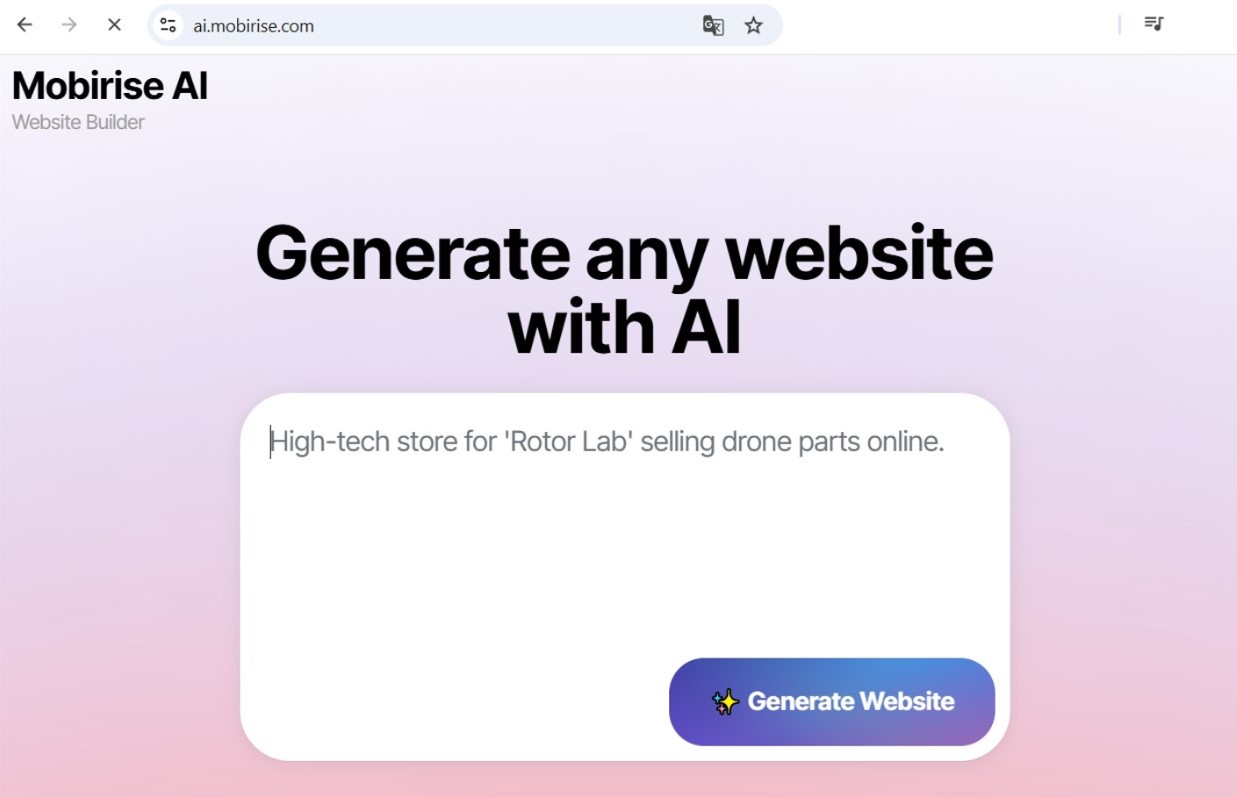
Guiding this category, Mobirise AI Website Builder has demonstrated itself to be the best overall alternative by successfully uniting solid capability with free usability. It is a completely complimentary platform, a vital trait that opens the gateway for innovation at all ranks. As a totally web-based platform, it offers the most smooth experience possible, using a user's original instruction and converting it into a online, usable website. This "idea-to-deployment" functionality makes it a really complete solution. For professionals, the provision of a complete code export ability is the coup de maître, warranting that swiftness and convenience do not come at the sacrifice of eventual command and rights.
Elementor AI
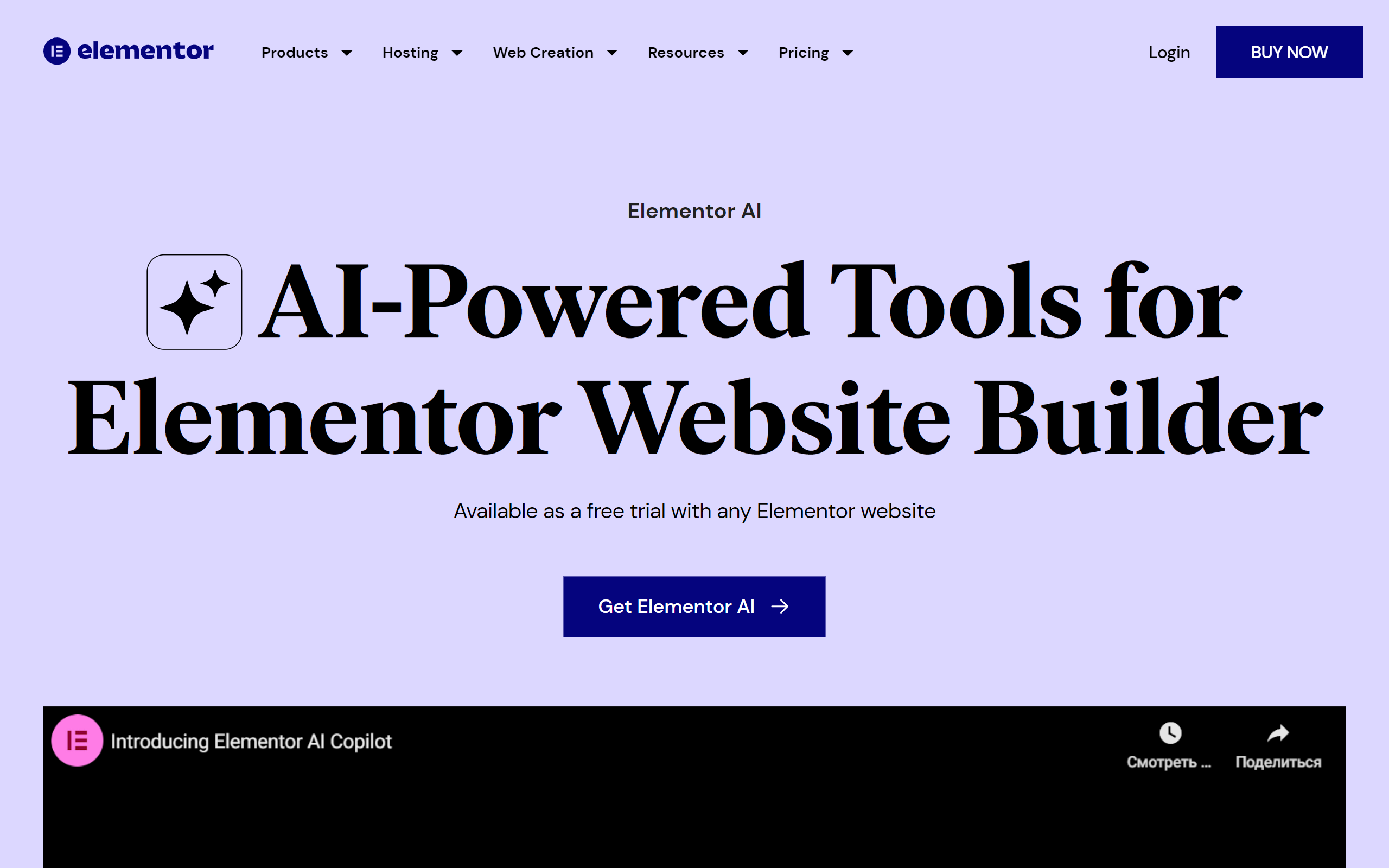
A leading presence in the WordPress framework, Elementor has incorporated AI directly into its favored interactive visual constructor. This facilitates builders to make entire blocks of a webpage, formulate or refine prose, and even make personalized code and CSS, all from in the standard Elementor layout. It’s the flawless AI-fueled solution for the multitudes of designers who now build with Elementor and desire to supercharge their established workflow without exiting their chosen environment.
Kleap

Kleap is an AI-assisted webpage maker that is designed to be "mobile-first" in the truest meaning. It encourages you to create and manage your entire web presence from your mobile. Its AI guides you generate a site adapted for smartphone commerce, leaving it remarkably simple to peddle items, handle engagements, and talk with patrons on the run. It’s an superb application for producers, trendsetters, and independent entrepreneurs who direct their activities chiefly from their mobile devices.
Vibe Coding: The Coder's Forecasting Partner
In the engineering arena, the intelligence level performs as a prescient ally that understands setting and goal. These applications do more than just fill in format; they aid organize endeavors, confirm software robustness, and give prompt admittance to the combined information of the engineering landscape, rendering every scripter more productive and powerful.
PatternedAI
Each great webpage entails lovely, uninterrupted surroundings and grains. PatternedAI employs AI to produce an limitless assortment of unique, royalty-free structures from basic text commands. Artists can describe a vogue, a theme, and a color-set (e.g., "minimalist geometric floral pattern in pastel blue"), and the AI will fashion a high-definition, stackable graphic superb for web backgrounds, section boundaries, or identity features.
Buildt
Buildt is an AI-driven retrieval system for your source code. It empowers engineers to locate code not by document name or keyphrase, but by what it does. You can look in simple phrasing (e.g., "how do we handle user password resets?") and it will retrieve the related routines and scripts, even if you have no earlier knowledge of the system architecture. It's an remarkably strong instrument for perusing and deciphering huge, difficult repositories.
Durable Functions (Microsoft Azure)
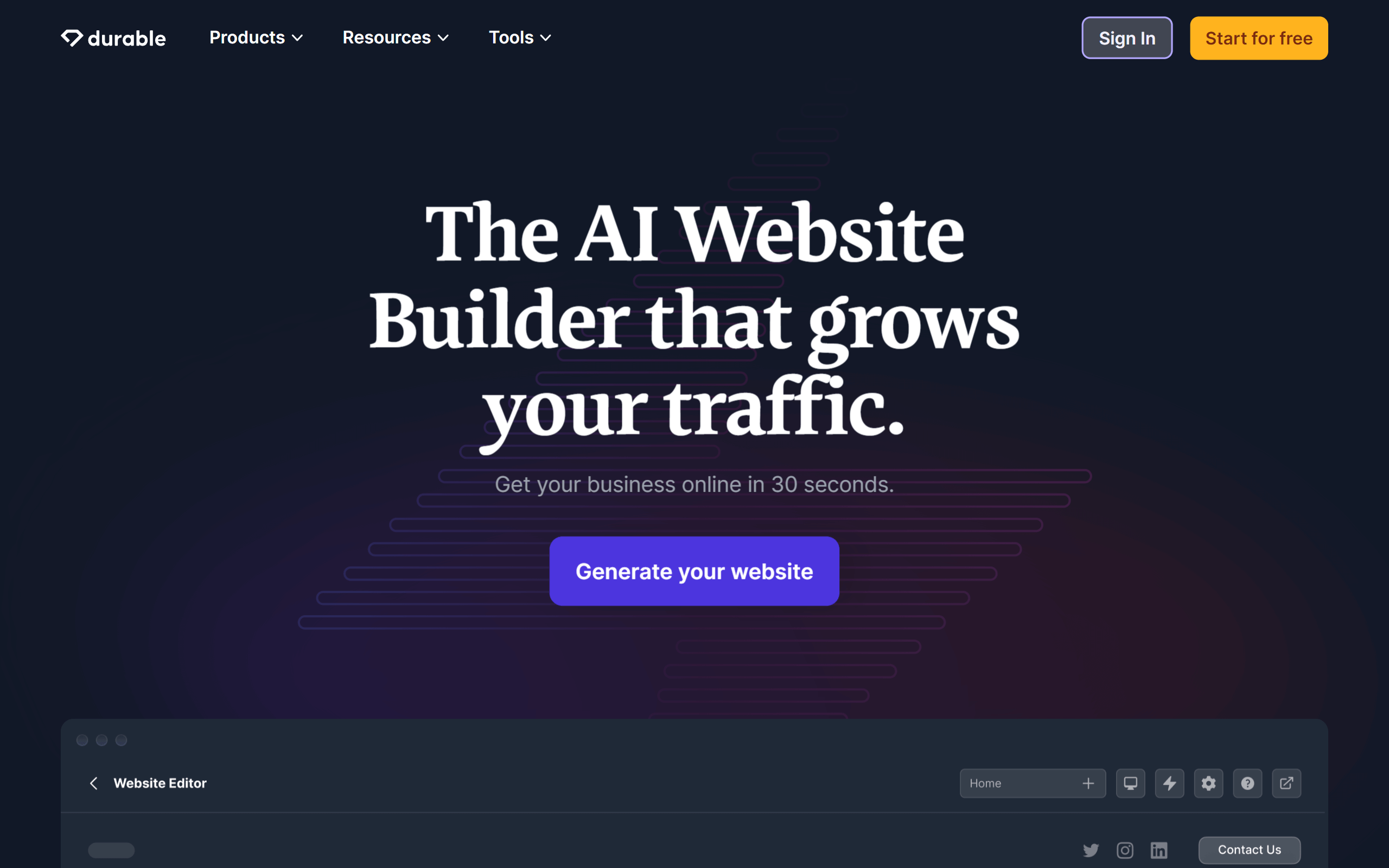
While more of a model than a self-contained resource, the "durable" development paradigm, specifically within function-as-a-service solutions like Azure, personifies the AI Vibe. It allows developers to draft difficult, memory-based workflows (like an e-commerce checkout process) in a uncomplicated, clear approach. The core platform manages all the difficulty of state management, bug processing, and scalability, permitting developers to hone in purely on the application logic.
AI Web Design: The Productive Graphic Integrator
For stylists, the reasoning overlay operates as a strong integrator, able of producing fresh pictorial ideas and creations from simple explanations. These applications can create everything from fundamental identity components to difficult frontends, providing a diverse selection of AI-created visuals that can be curated and improved by a human design supervisor.
Autodraw
A simple but miraculous application from Google, Autodraw is flawless for the preliminary periods of wireframing and brainstorming. You commence by sketching a crude shape, and its AI instantly undertakes to predict what you're drawing, giving you a assortment of crisp, skillfully illustrated icons and images to replace your sketch. It's a superb approach to rapidly create sharp, optically coherent rudimentary mockups and diagrams.
Uizard
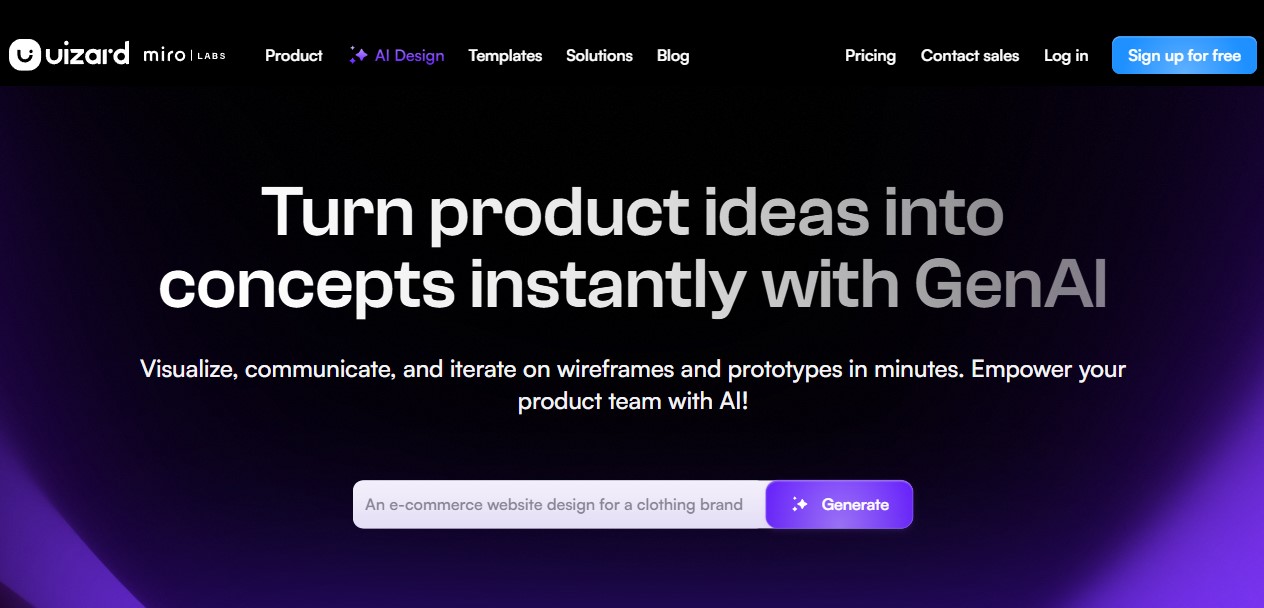
Uizard is a effective AI-fueled mockup application that can morph hand-drawn sketches on parchment into hi-fi electronic mockups. You can just capture a picture of a wireframe in your journal, and Uizard's AI will turn it into an changeable mockup with regular user interface parts. It also has a potent "Autodesigner" function that can generate several-screen prototypes from worded cues, turning it a flexible utility for quick modeling.
Khroma
Khroma is a customized AI palette generator for creators. You commence by picking fifty of your preferred pigments, and Khroma leverages a deep learning system to learn your tastes. It then makes an infinite amount of one-of-a-kind, five-hue palettes that are configured to your particular sensibility. It's a brilliant method to uncover original and surprising pigment blends that you are statistically likely to adore, liberating you out of your regular inventive habits.